
New Tariff Tricks Up Trump’s Sleeve
Trump’s team is back at it, dusting off Section 301 of the Trade Act of 1974 to cook up some fresh tariffs. The Supreme Court recently axed his previous tariff strategy, but Jamieson Greer, U.S. Trade Representative, isn’t sweating it. He’s not about to predict the future, but the administration’s goal is clear: replace those lost billions.
The plan? Investigate foreign manufacturing practices and possibly slap on new import taxes. After all, the Supreme Court’s decision left a gaping hole in the U.S. treasury, and Trump wants it filled. Greer says the mission remains the same, even if the methods have to change.
Drama Returns: Trade Wars, the Sequel
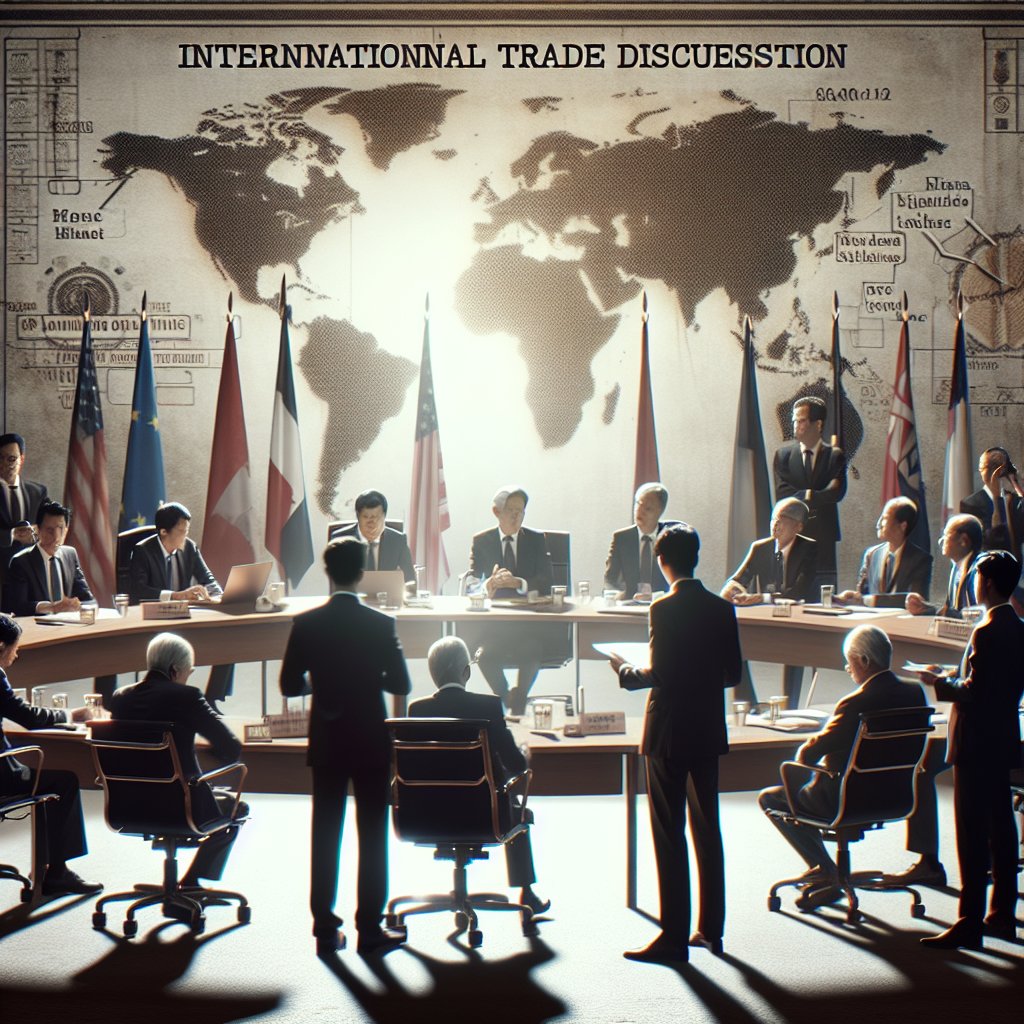
Hold onto your hats, folks. The process to replace Trump’s tariffs could resurrect the chaos that shook the global economy last year. The previous tariffs forced new trade agreements, and who knows how a fresh batch will impact those deals. Greer insists these frameworks stand alone, separate from the new probe.
Meanwhile, Democrats are gearing up for midterms, using the Supreme Court’s ruling as ammo against Trump’s allies. They’re demanding tariff refunds, while the administration digs into foreign industrial capacity and government subsidies, targeting a laundry list of countries from China to India.
Deadlines and Decisions: The Clock is Ticking
Time’s ticking for Trump’s team. The current 10% tariffs expire on July 24, and Trump hinted at bumping them up to 15%. Greer is racing against the 150-day deadline to present ‘potential options’ to the President.
The investigations are separate from last year’s trade frameworks, which set baseline tariffs that the Supreme Court nixed. But Greer hints these frameworks might still influence the ongoing process. It’s a tangled web of tariffs, deals, and deadlines, with Trump eager to strike new bargains.
Quick Facts
- •💡 Trump’s new tariff strategy involves Section 301 of the Trade Act of 1974.
- •💡 The Supreme Court’s ruling left a financial gap of billions of dollars.
- •💡 The administration aims to protect American jobs with new tariffs.
- •💡 Current 10% tariffs expire on July 24, with plans to increase to 15%.
- •💡 The new investigation targets countries with persistent trade surpluses.