
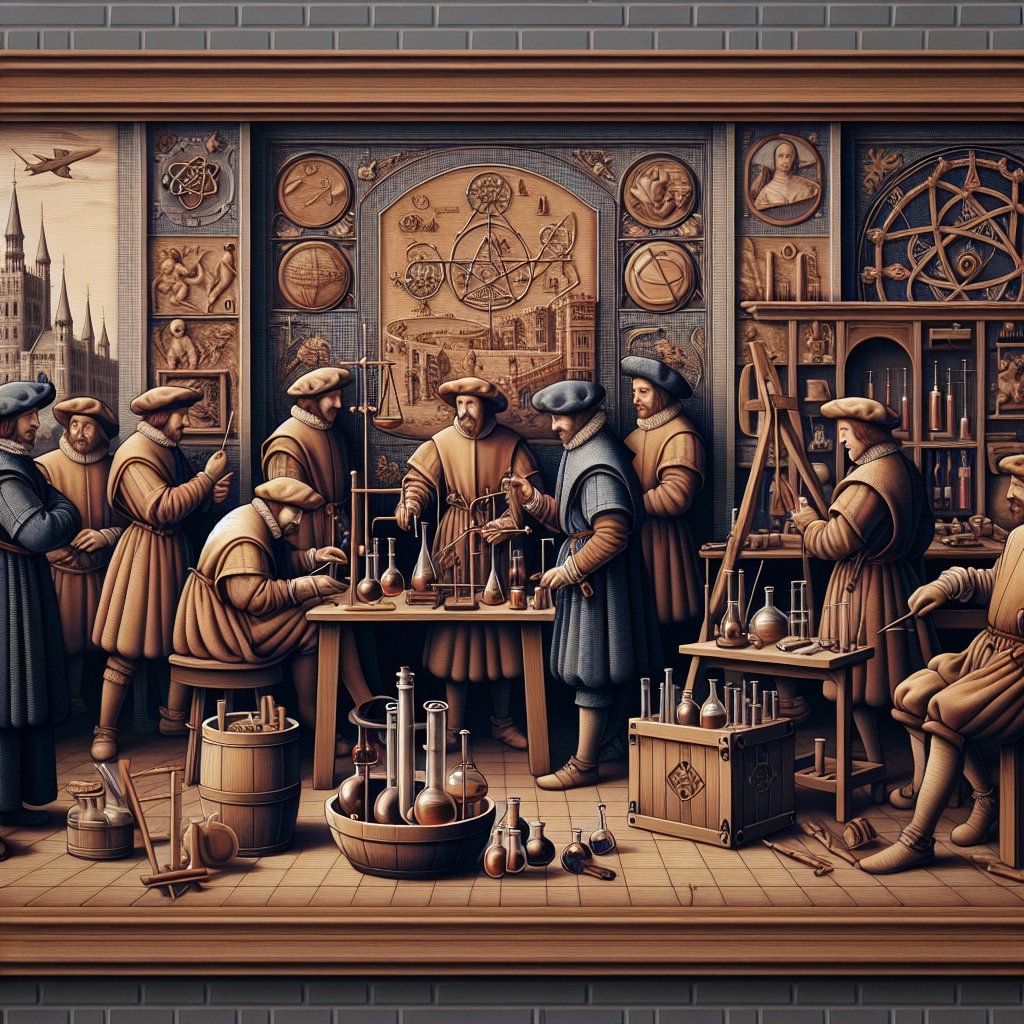
Renaissance: When Recipes Were Science
Forget witchy brews; 16th-century folks were more about DIY science than eye of newt. Medical manuals flew off the shelves, helping the average Joe tackle everything from baldness to kidney stones. Stefan Hanss, a historian at the University of Manchester, notes these ‘reader-practitioners’ weren’t shy about tweaking recipes and scribbling notes in the margins.
As they flipped through pages, they left protein traces behind. Hanss and a team of interdisciplinary experts decided to analyze these traces, revealing a treasure trove of historical data. Their findings, published in The American Historical Review, mark the first time proteomics has been used to peer into Renaissance recipes.
The Science Behind the Recipes
Hanss’s team, a motley crew of archaeologists, chemists, historians, and materials scientists, dove into the fingerprints of Renaissance folks. They found that these manuals weren’t just about book smarts; they were about getting your hands dirty—literally. Marginalia and protein traces told stories of experimentation and practical knowledge.
Cosmetic, medical, and culinary recipes were all the rage, often passed down through generations. This wasn’t just about reading; it was about doing. The research highlights a pivotal shift in how people constructed knowledge during the Renaissance, blending theory with hands-on practice.
Modern Science Meets Historical Recipes
Fast forward to today, and scientists are using cutting-edge techniques to decode historical molecular records. It’s not just about preserving art anymore; it’s about understanding the culture that created it. Techniques like Nanopore sequencing have been used to study microbial species on artworks, revealing new ways to slow down deterioration.
In 2020, scientists analyzed the microbes on Leonardo da Vinci’s drawings, finding each had its own microbiome. This kind of research offers a peek into the past, showing how scientific methods can uncover the secrets of history, one protein at a time.
Quick Facts
- •💡 16th-century medical manuals were popular for home remedies.
- •💡 Researchers used proteomics to analyze protein traces on these manuals.
- •💡 This study is the first of its kind to use proteomics on Renaissance recipes.
- •💡 Renaissance recipes included cosmetic, medical, and culinary types.
- •💡 Modern techniques like Nanopore sequencing help study historical art.