
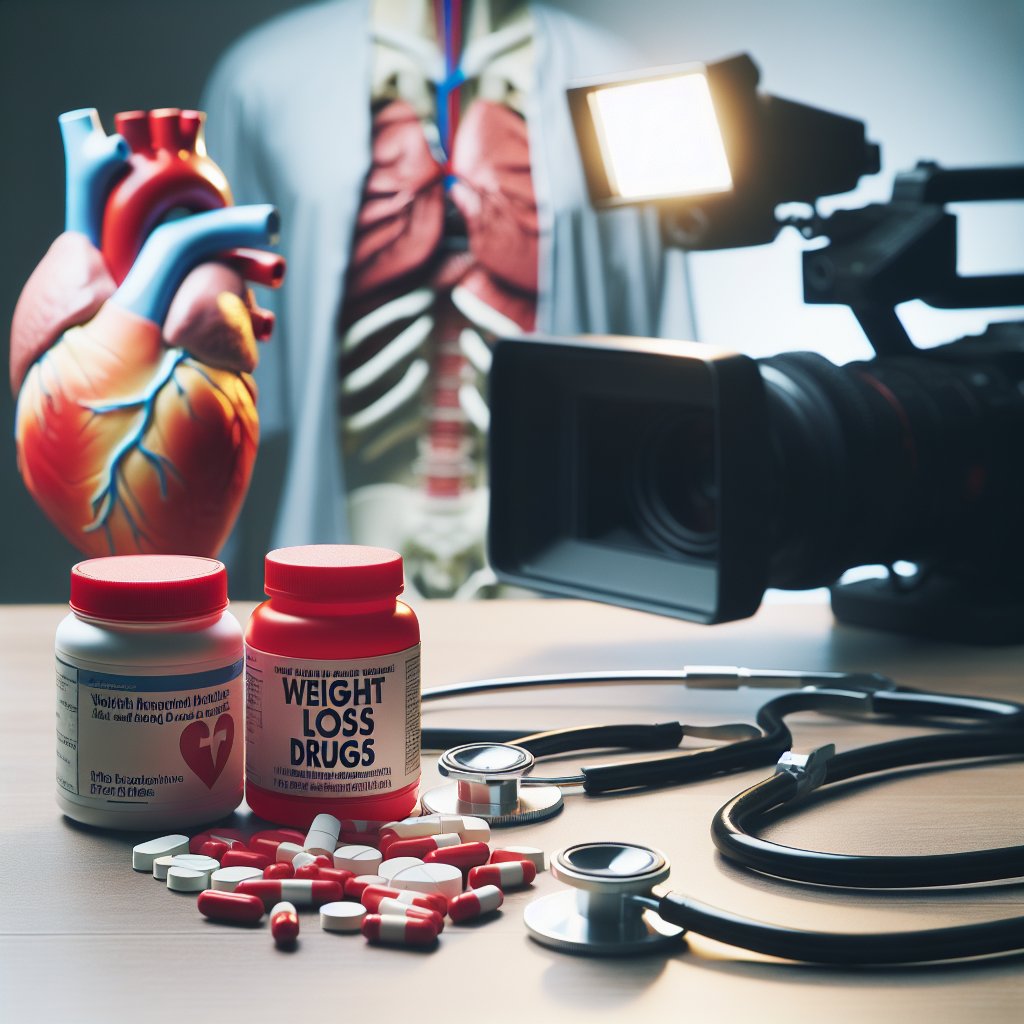
Heart Repair with a Side of Slimming
Heart attack survivors might have a new ally in their corner—weight loss drugs like Ozempic. These meds, known for trimming waistlines, could also help mend broken hearts. A study from University of Bristol and UCL found these drugs might slash the risk of heart attack complications in half.
Published in Nature Communications, the research suggests GLP-1 drugs could become a go-to for heart recovery. They’ve already been linked to reducing major heart issues, and it turns out, the benefits stick regardless of how much weight you shed.
The Science Behind the Magic
Researchers are diving into why these drugs are heart-friendly. They’ve zeroed in on tiny contractile cells called pericytes, which choke coronary capillaries during ischemia—a fancy term for when the heart’s starved of oxygen-rich blood.
The study explored whether GLP-1 drugs could unclog these vessels. Dr. Svetlana Mastitskaya from Bristol Medical School noted that nearly half of heart attack patients suffer from ‘no-reflow,’ where blood can’t reach parts of the heart even after the main artery’s cleared. These drugs might just keep the blood flowing.
A New Hope for Heart Patients
Animal tests showed GLP-1 drugs open up blood flow post-heart attack by activating potassium channels. This relaxes pericytes, allowing blood vessels to expand and blood to reach heart tissues, minimizing further damage.
Professor David Attwell from UCL highlighted the potential for these drugs, already used for diabetes and obesity, to be repurposed for heart attack recovery. With existing drugs on the market, this could be a life-saving pivot.
Quick Facts
- •💡 GLP-1 drugs may reduce heart attack complications by up to 50%.
- •💡 These drugs improve heart recovery regardless of weight loss achieved.
- •💡 Pericytes, small contractile cells, tighten coronary capillaries during ischemia.
- •💡 ‘No-reflow’ complicates nearly half of heart attack cases, hindering blood flow.
- •💡 Repurposing existing GLP-1 drugs could offer a new treatment for heart recovery.